
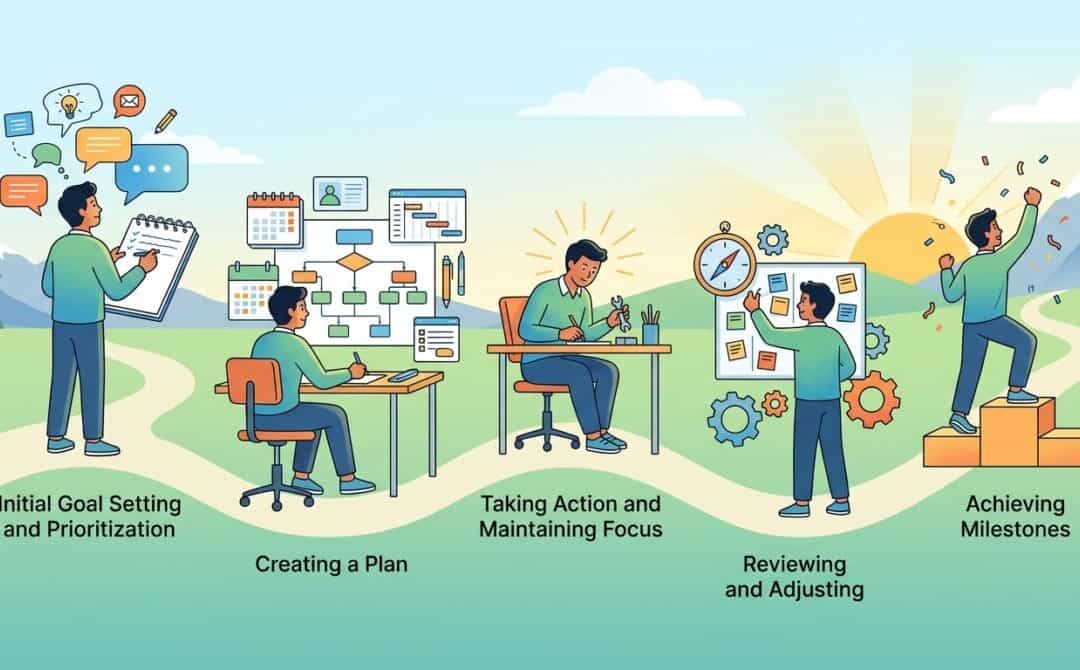
Feeling overwhelmed by too many tasks and unclear priorities? Thomas Frank’s recent video outlines a practical six-step process to help you gain clarity, focus, and achieve your goals this year. By answering key questions and organizing your actions, you can streamline your efforts and make meaningful progress.
Why Clarity Matters for Achieving Goals
Thomas Frank begins by sharing his experience of juggling multiple responsibilities—software development, CEO duties, content creation, and more. This lack of clarity led to unfinished projects and overwork, leaving him exhausted and disconnected from his priorities. To address this, he developed a planning exercise over the holiday break that helped him focus on what truly mattered.
The Six Questions to Gain Focus
Frank’s process revolves around answering six key questions. These questions help you identify what you want, how to achieve it, and what changes are necessary to stay on track. Here’s a breakdown:
1. What Do You Want?
Start by listing your goals across six life categories: personal growth, business/finance, leadership/community, health, relationships, and fun/daily experience. For example, Frank’s goals included doing 20 pull-ups, spending more time with family, and creating an excellent product for his startup, Flylighter.
As you define your goals, ask yourself: If you achieve this, will your daily experience improve? This ensures your goals align with what truly matters to you.
2. How Do You Get It?
For each goal, list actionable steps. For instance, to achieve 20 pull-ups, Frank planned to add weight to his pull-ups during workouts and push for extra reps after maxing out. Break down each goal into manageable actions that move you closer to success.
3. Are There Common Actions Across Goals?
Identify actions that serve multiple goals. Frank realized moving to Minneapolis would benefit several priorities, including spending more time with family and improving his dog’s living environment. Prioritize actions with broad impact.
4. Is It an Action or a Project?
Distinguish between simple actions and larger projects. Projects require breaking down into smaller steps and creating an “ignorance list” to address unknowns. For example, moving to Minneapolis involved researching neighborhoods, logistics, and financial planning.
5. What Systems and Habits Do You Need?
Build systems and habits to sustain progress. Frank suggests two approaches:
- Environmental changes: Place tools or reminders in your environment, like keeping a guitar nearby to encourage practice.
- Accountability systems: Work with a coach, team, or accountability partner to stay committed. Frank’s content team relies on him to deliver work on time, creating a sense of responsibility.
6. What Should You Cut Out?
Finally, identify activities or habits to pause or eliminate. Even beneficial activities like programming may need to be set aside if they don’t align with your top priorities. Cutting distractions helps focus your energy on what truly matters.
Three Action Lists to Guide Your Year
By answering these questions, you’ll create three actionable lists:
- Next Actions List: Immediate tasks to achieve your goals.
- Systems Building Actions: Steps to create habits and accountability systems.
- Cutting Actions List: Activities to eliminate or pause for better focus.
Conclusion: Focus and Execute
Thomas Frank emphasizes that clarity is the foundation for achieving your goals. By narrowing your focus and building systems to support your efforts, you can make meaningful progress. Whether it’s improving your health, relationships, or career, this six-step process provides a roadmap to success.
FAQ
How do I prioritize my goals?
Use Frank’s six categories—personal growth, business, leadership, health, relationships, and fun—to ensure a balanced focus. Then, evaluate which goals align with your desired daily experience.
What if I don’t know how to achieve a goal?
Create an “ignorance list” of questions and resources to explore. Break the goal into smaller steps and tackle one action at a time.
How can I stay accountable?
Build systems of accountability by working with a coach, joining a team, or partnering with someone who shares your goals. Environmental changes, like placing reminders in your workspace, can also help.